
Search
Dichroic glass is increasingly used in architecture and interior design when a project needs more than a fixed decorative color. Its optical coating reflects some wavelengths of light while transmitting others, allowing the visible color to shift as daylight, artificial lighting, and viewing angles change. This gives architects and designers a material that can create different visual experiences throughout the day without relying on printed graphics or conventional colored glass alone.
In commercial architecture, hospitality interiors, galleries, offices, retail spaces, and public installations, the value of dichroic glass lies in its interaction with light. Rather than functioning only as a surface finish, it can become part of the spatial design itself.

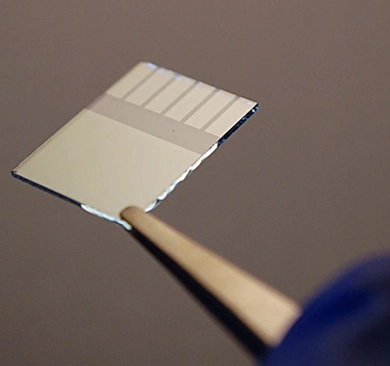
Traditional tinted or colored glass normally maintains a relatively consistent appearance. Dichroic glass behaves differently because its visual effect comes from multiple thin optical coating layers applied to the glass surface.
These coatings selectively reflect certain wavelengths while allowing others to pass through. As a result, the reflected color may differ from the transmitted color, and the appearance changes as people move through the space.
For architectural projects, this means designers need to think about more than the color shown in a sample. The final appearance is influenced by:
Direction and intensity of daylight
Artificial lighting design
Viewing angle
Background materials and colors
Glass orientation
Interior versus exterior placement
Size and repetition of glass panels
This dynamic response is one reason dichroic glass wholesale suppliers are increasingly involved in architectural projects where changing visual effects are an important part of the design concept.
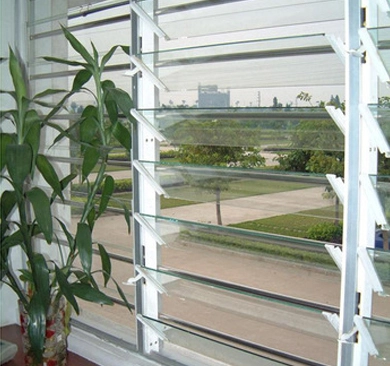
Dichroic glass can be incorporated into decorative facade systems to give a building different appearances under changing sunlight and viewing conditions.
From one direction, a facade may display one dominant color; from another, it can shift toward a contrasting tone. This makes the material particularly suitable for landmark buildings, cultural venues, retail flagships, hotels, and other projects where visual identity is important.
For exterior use, however, aesthetic selection should not be separated from engineering requirements. Glass configuration, safety treatment, installation method, coating protection, and environmental exposure should all be evaluated before the final specification is confirmed.
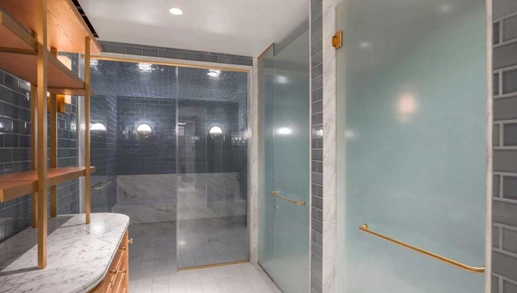
Interior partitions are one of the most practical applications for dichroic glass because people can experience the material from both sides.
Unlike an opaque decorative wall, a dichroic partition can preserve transparency while adding changing color. This makes it useful for:
Hotel lobbies
Office reception areas
Meeting rooms
Restaurants
Luxury retail interiors
Exhibition spaces
As users move past the partition, reflected and transmitted colors change naturally, creating visual separation without completely blocking light or sightlines.
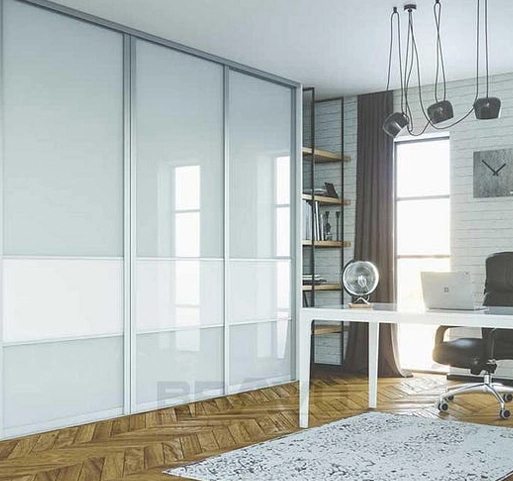
A dichroic glass wall works best when lighting and movement are deliberately included in the design.
For example, a wall placed near a large window may react strongly to daylight during different times of day. In an interior environment, directional spotlights or concealed lighting can create more controlled color transitions.
Designers can also combine multiple glass panels to create repeated or layered visual effects. Instead of selecting a single decorative surface, the wall becomes an active feature that changes according to the position of the viewer.
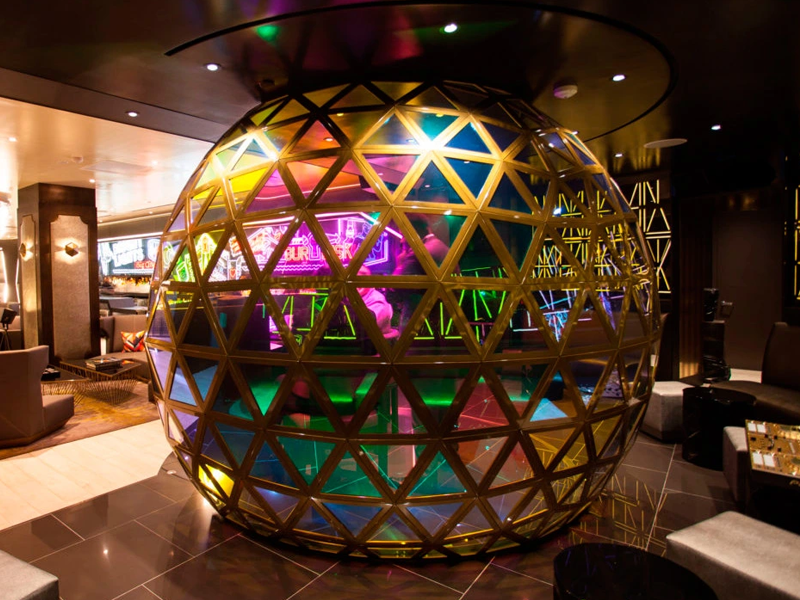
This makes dichroic glass particularly suitable for entrance halls, brand experience centers, galleries, hospitality spaces, and other areas where designers want a memorable focal point.
Retail interiors need materials that attract attention while reinforcing a brand's visual identity. Dichroic glass provides an advantage because the appearance changes as customers walk through the space.
It can be used for:
Product display backgrounds
Display cases
Storefront decorative panels
Feature partitions
Ceiling elements
Branded installation areas
Unlike a static colored panel, the glass creates visual movement without mechanical components. This can help designers build more immersive retail environments while maintaining the transparency and reflective characteristics of glass.
Yes. Dichroic glass can be considered for decorative ceiling and overhead applications when the appropriate glass configuration and support system are selected.
The advantage of overhead placement is that light can interact with the glass from several directions. Depending on the lighting design, colored reflections may also appear on nearby walls, floors, or surrounding surfaces.
However, overhead applications require particular attention to safety. Glass configuration, panel dimensions, fixing systems, and project-specific structural requirements should be reviewed before production.
Where tempering or lamination is required, feasibility should also be confirmed according to the selected substrate, coating system, and fabrication process.
Color selection should be based on the installed environment rather than on a small sample alone.
Important questions include:
Natural daylight can create different effects from artificial illumination. South-facing glazing, interior spotlights, and indirect LED lighting may all produce different visual results.
Reflected and transmitted colors can differ considerably, so partitions and freestanding installations should be evaluated from multiple viewing positions.
Dark, light, metallic, stone, timber, and neutral backgrounds can influence how strongly the dichroic effect is perceived.
Corporate offices may prefer controlled color transitions, while public art or retail projects may intentionally use stronger contrast.
For larger projects, sample evaluation under representative lighting conditions is more useful than selecting glass based only on catalogue images.
Dichroic glass is not automatically the best decorative solution for every project. The right material depends on how the finished surface is expected to interact with light, privacy requirements, graphics, and texture.
If the primary objective is changing color and interaction with light, dichroic glass is a strong option. If the project requires a matte surface, visual privacy, or softer light diffusion, working with an experienced etched glass supplier may provide a more suitable direction.
For projects requiring stronger depth, relief, or sculptural surface effects, carved glass can create a more pronounced three-dimensional decorative appearance.
Where the design calls for precise logos, detailed graphics, fine patterns, or controlled imagery, laser engraved glass may offer greater control over the finished visual result.
| Design Goal | Suitable Decorative Glass Direction |
|---|---|
| Color changes with light and viewing angle | Dichroic glass |
| Transparent decorative partitions | Dichroic glass |
| Dynamic facade appearance | Dichroic glass |
| Matte privacy or diffused light | Etched glass |
| Deep textured or sculptural effects | Carved glass |
| Detailed logos, graphics, or patterns | Laser engraved glass |
For large commercial projects, different decorative glass techniques can also be used in separate zones rather than expecting one material to deliver every visual function.
For architectural projects, selecting the color is only one part of the specification process. Buyers should provide suppliers with clear project information before requesting a quotation.
Useful information includes:
Intended application
Required panel dimensions and shapes
Interior or exterior location
Desired color-changing effect
Lighting conditions
Required quantities
Tempering or lamination requirements
Edge and fabrication requirements
Installation environment
Shipping destination
The more complete the design and fabrication information, the easier it is for a supplier to evaluate feasibility, recommend a suitable solution, and provide an accurate quotation.
For projects where the final appearance is especially important, buyers should also consider requesting samples and evaluating them under lighting conditions similar to the intended installation environment.
Yes, dichroic glass can be considered for exterior architectural applications when an appropriate glass construction, coating system, and installation method are selected. Exterior exposure and safety requirements should be evaluated on a project-by-project basis.
Dichroic glass may be incorporated into laminated configurations depending on the selected glass, coating, and fabrication process. The exact construction should be confirmed with the manufacturer before production.
Tempering feasibility depends on the glass substrate, coating specification, and manufacturing sequence. Buyers should confirm these requirements before finalizing the product configuration.
No. Its defining visual characteristic is that reflected and transmitted colors can change according to viewing angle, lighting direction, and surrounding conditions.
Designers should evaluate sample appearance under representative daylight or artificial lighting and review viewing angles, surrounding colors, glass orientation, and installation position before confirming the final selection.
Dichroic glass gives architects and interior designers a way to design with light, movement, reflection, and transparency at the same time. It can transform facades, partitions, feature walls, ceilings, retail displays, and public installations into surfaces that visually respond to their surroundings.
For successful architectural use, the key is to evaluate the material as part of the complete design system, including lighting, viewing direction, glass configuration, fabrication, safety requirements, and installation conditions, so the finished project can achieve both the intended visual effect and appropriate functional performance.