
Search
Vacuum insulated glass improves energy efficiency by significantly reducing heat transfer through the vacuum layer between the glass panels. Compared with traditional glazing systems, vacuum insulated glass provides better thermal insulation, thinner structures, and improved energy-saving performance for modern buildings.
For architects, contractors, and building material buyers, choosing suitable vacuum glass solutions requires evaluating thermal performance, glass structure, application requirements, and supplier capability.
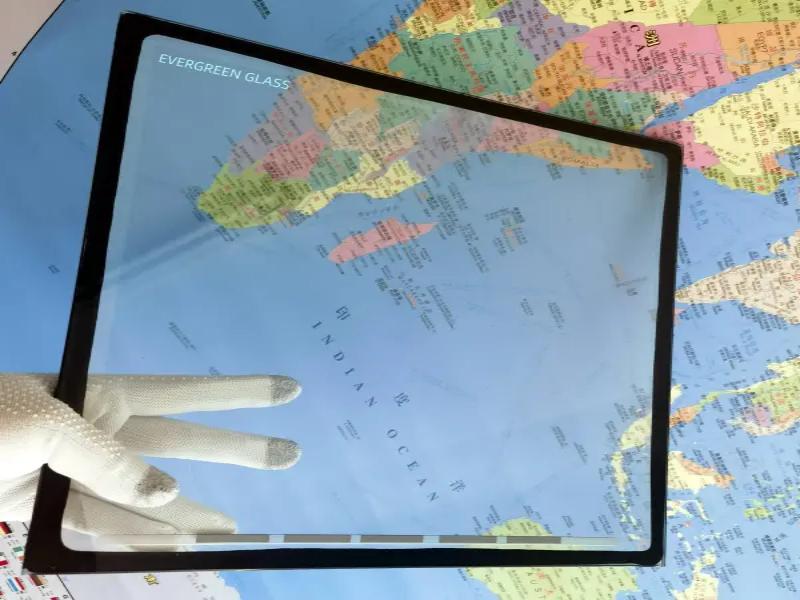
Vacuum insulated glass (VIG) is an advanced glazing solution consisting of two glass panels separated by a sealed vacuum cavity. By removing air between the glass layers, the vacuum structure minimizes heat transfer caused by conduction and convection.
Unlike traditional insulated glass units that use air or gas-filled spaces, vacuum glass relies on vacuum technology to achieve improved insulation performance.
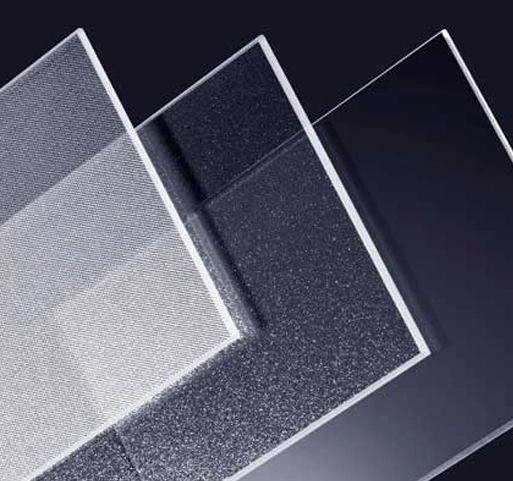
A typical vacuum insulated glazing structure includes:
Two glass panels
Vacuum cavity
Supporting pillars between glass layers
Edge sealing system
Optional Low-E coating
These components work together to improve thermal performance while maintaining transparency and daylight transmission.
The biggest advantage of vacuum insulated glass is its excellent thermal insulation capability.
Windows are often one of the main areas where buildings lose energy. During winter, heat can escape through inefficient glazing systems, while in summer, external heat can increase cooling demand.
Vacuum insulated glass helps reduce these problems by:
Minimizing heat loss during cold seasons
Reducing solar heat gain
Improving indoor temperature stability
Lowering heating and cooling energy consumption
For energy-efficient buildings, vacuum insulated glass panels provide a practical solution for improving building envelope performance without significantly increasing glass thickness.
Traditional insulated glass generally uses air or inert gas between glass layers. Vacuum glass replaces this space with a vacuum environment, reducing heat transfer more effectively.
| Performance Factor | Vacuum Insulated Glass | Traditional Insulated Glass |
|---|---|---|
| Thermal Insulation | Excellent reduction of heat transfer | Depends on gas layer performance |
| Structure Thickness | Slim design with high insulation performance | Usually requires thicker units |
| Energy Efficiency | Suitable for high-performance buildings | Suitable for general applications |
| Application | Green buildings, energy-saving renovation, premium windows | Commercial and residential glazing |
This makes vacuum insulated glass suitable for projects where both high thermal performance and limited installation space are required.
The vacuum insulated glass price depends on multiple factors, including glass specifications, production technology, and customization requirements.
Important factors include:
| Specification Factor | Impact on Cost |
|---|---|
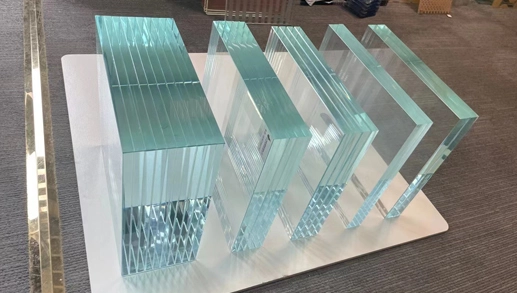
| Glass Thickness | Thicker glass requires more material and processing control |
| Glass Size | Large panels require advanced manufacturing equipment |
| Low-E Coating | Additional coating technology affects production cost |
| Edge Sealing Technology | High-quality sealing improves durability but increases manufacturing complexity |
| Custom Design Requirements | Special sizes and structures require additional processing |
Buyers should evaluate long-term energy-saving benefits rather than focusing only on the initial vacuum glass price.
Vacuum insulated glass is widely used in applications requiring high thermal performance, including:
Energy-efficient windows
Commercial buildings
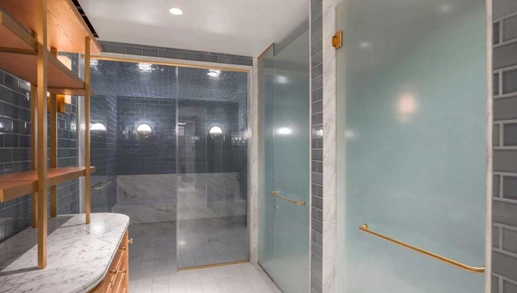
Residential projects
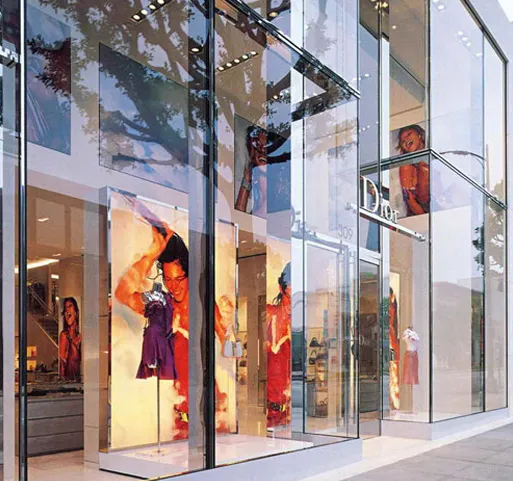
Curtain walls
Green buildings
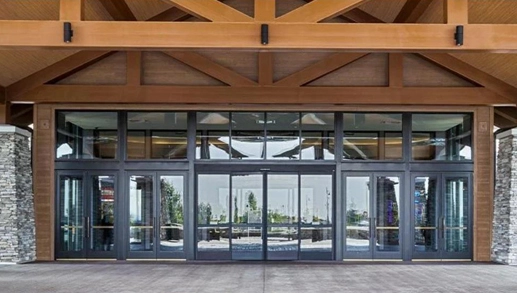
Building renovation projects
Vacuum insulated windows are particularly valuable in renovation projects because they can improve insulation performance while maintaining relatively slim window profiles.
Selecting reliable suppliers requires evaluating production capability, technical expertise, and quality control processes.
Professional suppliers should provide:
Stable vacuum sealing technology
Consistent glass processing quality
Technical specifications
Customized solutions
Project support
When selecting a vacuum glass supplier, buyers should consider manufacturing experience, product reliability, and whether the supplier can provide solutions suitable for specific building requirements.
Experienced vacuum insulated glass suppliers should be able to recommend suitable glass structures based on climate conditions, building design, and energy efficiency goals.
The service life of vacuum insulated glass depends on manufacturing quality, sealing technology, installation conditions, and environmental factors.
High-quality edge sealing and professional production processes are important for maintaining long-term vacuum performance.
Vacuum glass generally provides better thermal insulation because the vacuum layer reduces heat transfer more effectively than traditional air or gas-filled spaces.
Vacuum insulated glass requires advanced manufacturing processes, precise sealing technology, and quality control procedures, which influence the overall cost.
Yes. Vacuum insulated windows are suitable for modern buildings that require improved energy efficiency, reduced heat loss, and better indoor comfort.
Buyers can work with experienced manufacturers offering customized vacuum glazing solutions based on project specifications and performance requirements.
Vacuum insulated glass provides an effective way to improve building energy efficiency through advanced thermal insulation technology. By reducing heat transfer, improving indoor comfort, and supporting sustainable building designs, VIG solutions are becoming increasingly important in modern architecture.
For architects, contractors, and developers, selecting the right supplier is essential to achieving reliable performance. Working with experienced manufacturers that provide professional support and customized solutions can help ensure long-term energy savings and project success.
This is the first one.