
Search
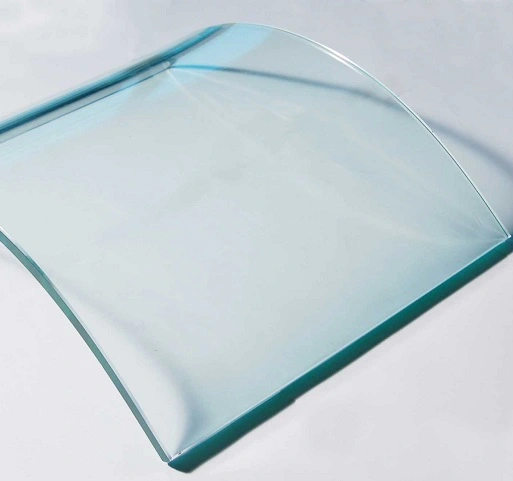
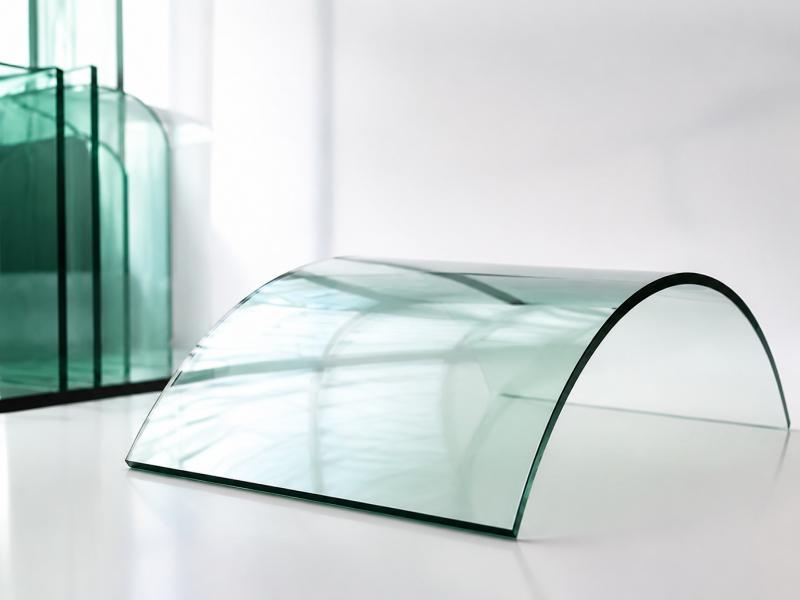
Curved glass price typically depends on glass type, thickness, size, curvature requirements, processing methods, and order quantity. Compared with standard flat glass, curved glass requires specialized bending technology, customized tooling, and stricter quality control, making production complexity one of the biggest factors affecting the final cost.
For architectural and industrial projects, curved glass cost is usually calculated based on specific project requirements rather than a fixed price. Buyers should provide details such as glass dimensions, thickness, curvature radius, application requirements, and additional processing options to receive an accurate quotation.
Several technical and manufacturing factors influence the final price of curved glass, including material selection, production difficulty, and customization requirements.
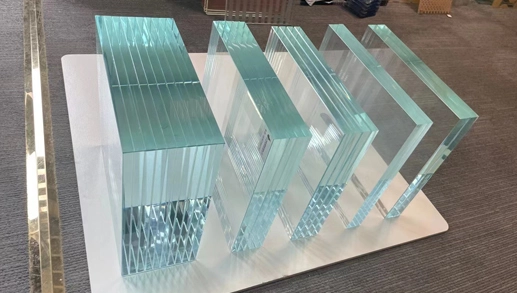
Glass thickness is one of the most important factors affecting curved glass price. Thicker glass requires more raw materials and more precise control during the bending process, which increases production costs.
The type of glass also affects pricing. Clear glass, ultra-clear glass, tinted glass, Low-E glass, and other specialty glass options have different material costs and performance characteristics.
For example, curved tempered glass is commonly selected for safety applications, while laminated or insulated curved glass may require additional manufacturing steps to achieve better impact resistance, sound insulation, or energy efficiency.
The dimensions and shape of curved glass directly influence manufacturing difficulty. Large curved panels require advanced equipment, careful handling, and strict quality inspection throughout production.
A smaller curvature radius or more complex shape generally requires higher precision during forming. Additional processes such as coating, printing, drilling, and edge processing can also increase the total manufacturing cost.
The following specifications show the key factors that influence curved glass pricing:
| Specification Factor | Available Options / Range | Impact on Curved Glass Cost |
|---|---|---|
| Glass Thickness | 5mm, 6mm, 8mm, 10mm, 12mm | Thicker glass requires more material and precise processing, increasing production costs |
| Glass Size | Minimum 300×300mm; Maximum up to 3300×6000mm | Larger panels require advanced equipment and additional handling procedures |
| Curvature Radius | Minimum radius requirements vary depending on glass type and design | Smaller bending radius requires higher production accuracy and technical control |
| Glass Shape | Single curved, double curved, and customized curved designs | Complex shapes require additional tooling and longer production time |
| Glass Type | Clear glass, ultra-clear glass, tinted glass, Low-E glass, coated glass | Specialty materials may increase material and processing costs |
| Additional Processing | Coating, printing, holes, notches, edge processing | Extra manufacturing steps increase overall project cost |
The manufacturing method is another important factor affecting curved glass cost. Unlike flat glass production, curved glass requires heating and forming processes to achieve the desired shape while maintaining optical quality and structural performance.
Simple single-curved glass designs are usually more economical because they require less complex processing. Double-curved or irregular designs involve more advanced techniques and stricter quality control, resulting in higher costs.
Experienced manufacturers evaluate curvature requirements, glass performance, and installation conditions before production to ensure the final product meets project specifications.
Yes. Order volume has a significant impact on curved glass panels prices.
Large-scale projects usually benefit from optimized production efficiency because manufacturing setup costs can be distributed across more units. Small customized orders may have a higher unit cost due to tooling preparation, production adjustment, and quality inspection requirements.
When comparing curved glass panels for sale, buyers should consider the overall project value instead of focusing only on the initial unit price. Product quality, production capability, delivery reliability, and technical support are equally important factors.
Custom curved glass usually costs more because it requires personalized engineering and manufacturing processes.
Customization may include:
Specific curvature radius
Unique dimensions
Special glass compositions
Laminated or insulated structures
Surface coatings
Decorative processing
Architectural projects often choose customized solutions because curved glass can create unique visual effects while meeting safety and performance requirements. Evergreen provides custom curved glass solutions for different architectural and industrial applications, helping customers achieve their design goals with reliable glass performance.
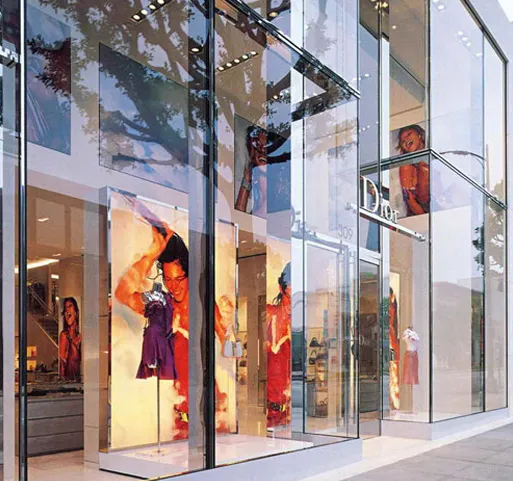
Curved glass is widely used in architectural facades, curtain walls, skylights, commercial buildings, interior decoration, transportation, and specialty structures.
For greenhouse and architectural applications, curved greenhouse glass panels can provide smooth structures and improved design flexibility. Commercial projects often use curved glass to create distinctive appearances that cannot be achieved with traditional flat glass.
When selecting curved glass suppliers, buyers should evaluate manufacturing experience, production capabilities, quality standards, and customization support.
To receive an accurate quotation, buyers should prepare the following information:
Glass size and thickness
Curvature radius and shape requirements
Glass type and performance requirements
Quantity and application
Additional processing needs
Delivery location
Providing complete project information allows manufacturers to calculate production requirements more accurately and recommend suitable solutions.
Yes. Curved glass generally costs more than flat glass because it requires additional bending processes, customized production steps, and stricter quality control.
There is no fixed average price for curved glass. The final cost depends on glass thickness, size, curvature, material selection, processing requirements, and order quantity.
Yes. Curved glass can be customized in different sizes, shapes, thicknesses, and performance configurations to meet architectural and industrial requirements.
Reliable suppliers should have advanced production equipment, quality control systems, customization experience, and the ability to provide technical support throughout the project.
Curved glass price is determined by multiple factors, including glass specifications, bending requirements, processing complexity, and order volume. Understanding these factors helps buyers evaluate quotations more effectively and select the right solution for their projects.
For businesses looking for reliable curved glass solutions, working with experienced manufacturers offering customized products, professional support, and quality assurance can help achieve better performance and predictable project costs.