

Search
In the realm of energy-efficient building materials, vacuum insulated glass (VIG), commonly known as vacuglass, has emerged as a top choice for architects, builders, and homeowners. One of the most crucial metrics for assessing the thermal performance of any insulating material is its R-value. But what exactly is the R-value of vacuglass, and why is it important?
The R-value measures thermal resistance, indicating how effectively a material can resist heat transfer. The higher the R-value, the better the insulation. Traditional double-glazed windows typically have an R-value ranging from 2 to 3, while triple-glazed windows might achieve an R-value of around 5. In contrast, vacuglass offers a significant leap in performance.
Vacuglass achieves an exceptional R-value, often exceeding 7 and sometimes reaching up to 10 or higher. This remarkable performance is due to the unique design of vacuum insulated glass, which eliminates air between the glass panes, creating a near-vacuum environment. This vacuum minimizes heat conduction and convection, resulting in superior thermal insulation.
For instance, Evergreen Glass's vacuglass products are engineered to provide an R-value that is 2 to 3 times higher than traditional double-glazed windows. This means that vacuglass can significantly reduce heat loss in winter and heat gain in summer, leading to substantial energy savings and improved indoor comfort.
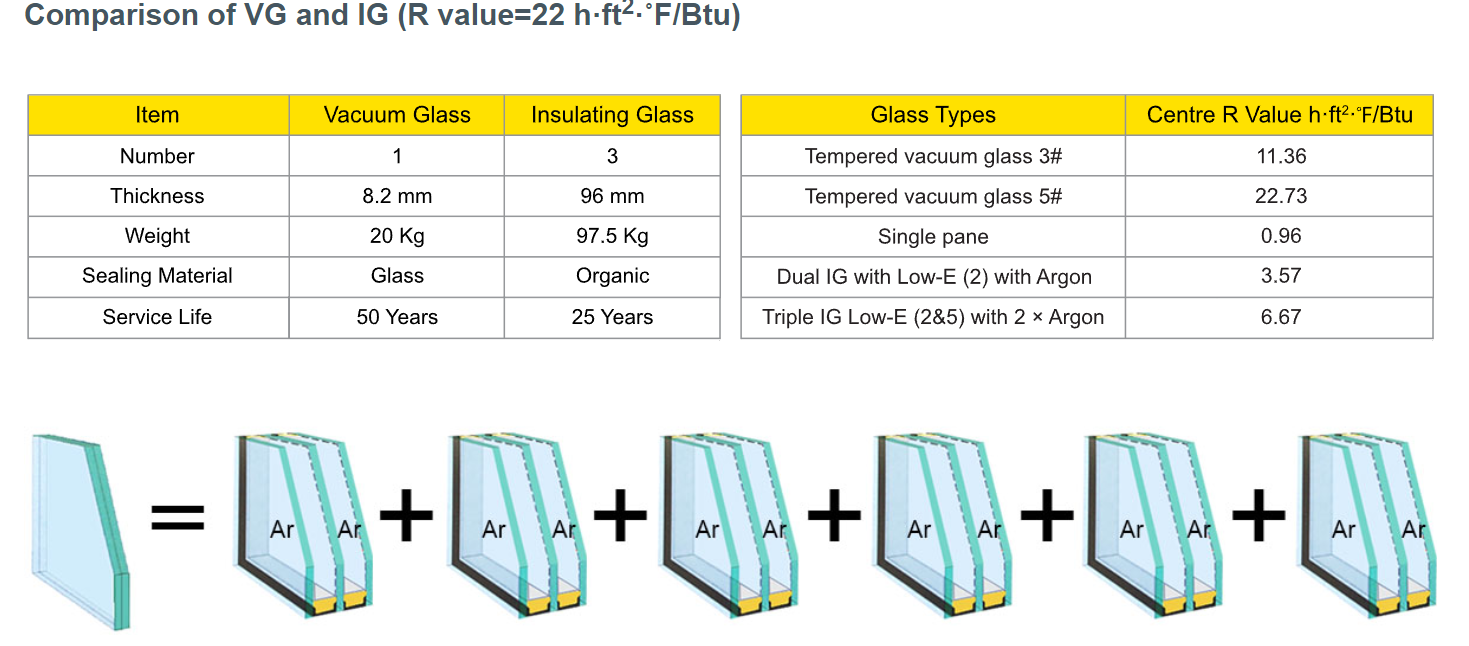
Energy Efficiency: The high R-value of vacuglass translates to significant energy savings. By reducing heat transfer, vacuglass helps maintain a consistent indoor temperature, reducing the need for heating and cooling systems. This not only lowers energy bills but also contributes to a more sustainable environment.
Comfort: A higher R-value means better insulation against outdoor temperature fluctuations. This ensures a more comfortable indoor environment, free from drafts and temperature swings. Whether it's a cold winter day or a hot summer afternoon, vacuglass helps maintain a cozy and stable indoor climate.
Durability: Unlike traditional insulating materials that may degrade over time, the vacuum seal in vacuglass ensures consistent performance for decades. This means that the high R-value is maintained throughout the product's lifespan, providing long-term benefits.
Slim Design: Despite its high R-value, vacuglass is remarkably thin. Traditional double-glazed windows often require a thicker profile to achieve similar insulation levels, but vacuglass can provide superior performance in a much slimmer design. This makes it ideal for modern architectural projects where aesthetics and minimalism are key considerations.
Both values describe thermal performance, but U-value is more commonly used in architectural glass specifications.
R-value measures resistance to heat flow. Higher values indicate better insulation.
U-value measures the rate at which heat passes through a material or assembly. Lower values indicate better insulation.
When evaluating vacuum insulated glass manufacturers or suppliers, buyers should request the original tested U-value rather than relying only on a converted or marketing-based R-value.
The supplier should clearly state:
Whether the result is center-of-glass or whole-window
The complete glass build-up
Glass thickness
Vacuum gap
Low-E coating type and surface
Glass dimensions used in the test
Test standard
Laboratory or certification body
Winter or summer test conditions, where applicable
The exceptional R-value of vacuglass makes it suitable for a wide range of applications:
Residential Buildings: Vacuglass is perfect for windows, doors, and skylights, providing superior insulation and noise reduction.
Commercial Buildings: In commercial settings, vacuglass can be used in curtain walls, storefronts, and office partitions to enhance energy efficiency and create a comfortable working environment.
Greenhouses and Solar Projects: Evergreen Glass, as a leading vacuum glass supplier, specializes in supplying type of glass for greenhouse and solar applications, where maintaining a consistent temperature and maximizing energy efficiency are crucial.
Professional buyers should evaluate more than price and headline U-value. Ask potential vacuum insulated glass manufacturers or vacuum insulated glass suppliers for the following information:
Request third-party reports showing the tested glass construction, unit dimensions, coating specification and test standard.
Thermal performance should remain stable over time. Ask how the manufacturer verifies the vacuum seal, edge durability and long-term performance.
Confirm:
Minimum and maximum sizes
Available pane thicknesses
Laminated and tempered options
Special shapes
Low-E coating choices
Production capacity
Lead time
Packaging and export experience
Reliable VIG production requires precise glass flatness, pillar placement, vacuum control and edge sealing. Ask for inspection procedures and production records.
A supplier should help evaluate glass make-up, thermal requirements, safety requirements, wind load, frame compatibility and installation conditions.
The warranty should clearly state what is covered, how vacuum failure is evaluated, and which installation or handling conditions may invalidate the warranty.
The vacuum insulated glass market is developing as building codes, energy-efficiency targets and renovation requirements increase demand for thin, high-performance glazing.
Important growth drivers include:
More demanding building energy standards
Net-zero and low-carbon construction targets
Renovation of historic and existing buildings
Demand for thinner and lighter glazing systems
Improved VIG manufacturing technology
Growth in refrigeration and specialty glazing applications
The main constraints include higher production costs, limited manufacturing capacity, durability validation, edge-seal performance and the need for trained fabricators and installers.
Published market-size estimates vary considerably because research firms may use different product definitions, geographic coverage and application categories. Buyers should therefore examine the scope and methodology of a market report before quoting its figures.
The R-value of vacuglass is a testament to its superior thermal performance. With an R-value that often exceeds 7 and can reach up to 10 or higher, vacuglass offers unparalleled insulation benefits. Whether you're looking to reduce energy consumption, enhance indoor comfort, or simply stay ahead of the curve in building technology, vacuglass is a smart choice.
At Evergreen Glass, we are committed to delivering high-quality vacuglass solutions tailored to your specific needs. Our expertise in vacuum insulated glass manufacturing ensures that you receive products that not only meet but exceed industry standards. Contact us today to learn more about how vacuglass can transform your next project.
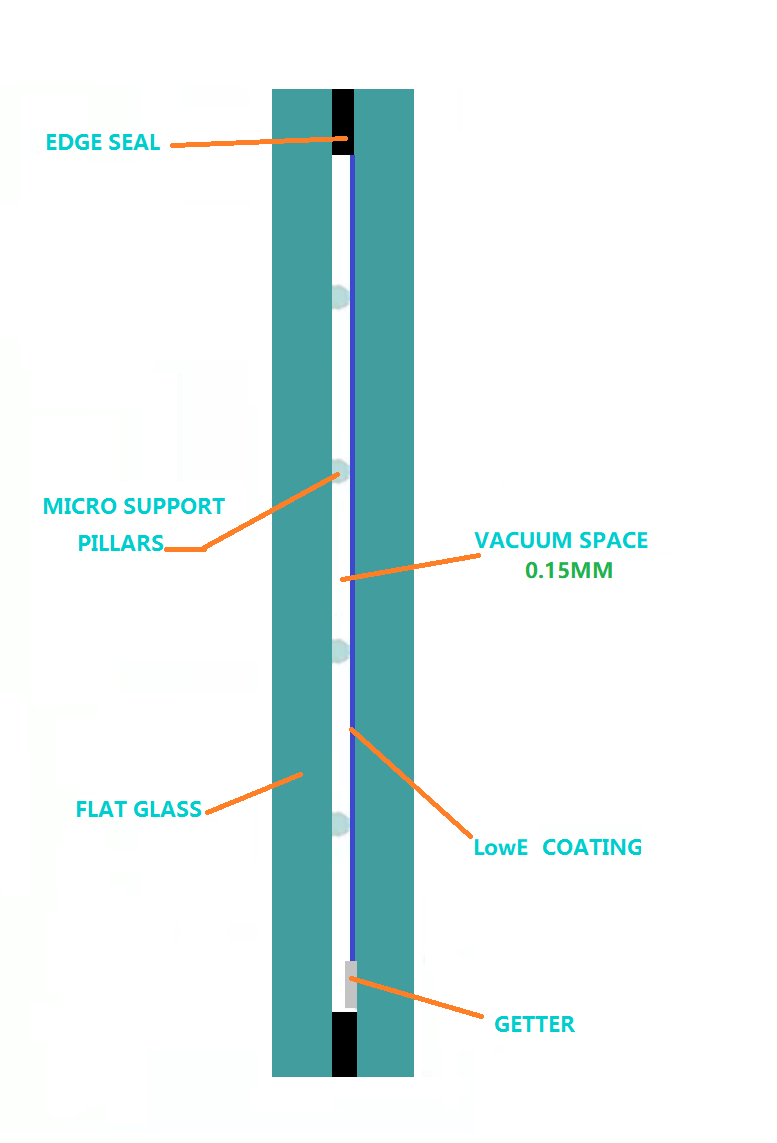
Vacuum insulating glass, or VIG, consists of two glass panes separated by a very narrow vacuum space and supported by microscopic pillars. Removing air from the cavity greatly reduces heat transfer by conduction and convection, while a Low-E coating limits radiant heat. This allows VIG to provide high thermal insulation in a much thinner profile than conventional double or triple glazing.
Vacuum insulated glass generally provides better thermal insulation than standard double glazing while remaining thinner and lighter. It is especially useful for historic-window renovation, narrow frames and projects requiring high energy performance without bulky triple glazing. However, the best option depends on the required U-value, glass size, frame system, budget, acoustic requirements and installation conditions.
The U-value of vacuum insulated glass varies by product design, Low-E coating, edge seal and test method. Commercial VIG products may have center-of-glass U-values ranging from approximately 0.3 to 1.4 W/m²K, while selected high-performance configurations can achieve about 0.28 W/m²K. Buyers should confirm whether a quoted value applies to the glass center or the complete window.
Vacuum insulated glass normally costs more than standard double glazing because its production requires precise vacuum control, microscopic support pillars and a durable hermetic edge seal. The final price depends on glass size, thickness, Low-E coating, safety treatment, shape, order quantity, testing requirements and delivery destination. For an accurate quotation, provide drawings, dimensions, quantities and the required thermal performance to the supplier.
Choose a vacuum insulated glass manufacturer that can provide third-party thermal test reports, clear U-value test conditions, durability evidence and documented quality-control procedures. Also compare available sizes, Low-E options, tempered or laminated configurations, production capacity, warranty, project references, packaging and delivery experience. Reliable vacuum insulated glass suppliers should recommend a suitable glass build-up instead of quoting only the lowest price or highest advertised R-value.
The vacuum insulated glass market is expected to expand as building-energy standards become stricter and demand increases for energy-efficient windows, façade systems and renovation glazing. Growth is also supported by VIG’s thin profile and suitability for historic buildings. However, published market-size estimates differ considerably because reports use different product definitions, applications and geographic scopes, so figures should be compared carefully.