

Search
Reliable heat soaked glass suppliers should provide more than standard tempered glass products. Buyers should evaluate a supplier’s heat soak testing capability, manufacturing experience, quality control system, and ability to provide customized solutions for different architectural applications.
Heat soaked glass is widely used in projects where unexpected glass breakage may cause safety risks, such as curtain walls, facades, skylights, and large glazing systems. Choosing an experienced supplier helps ensure that glass products meet performance requirements while improving long-term project reliability.
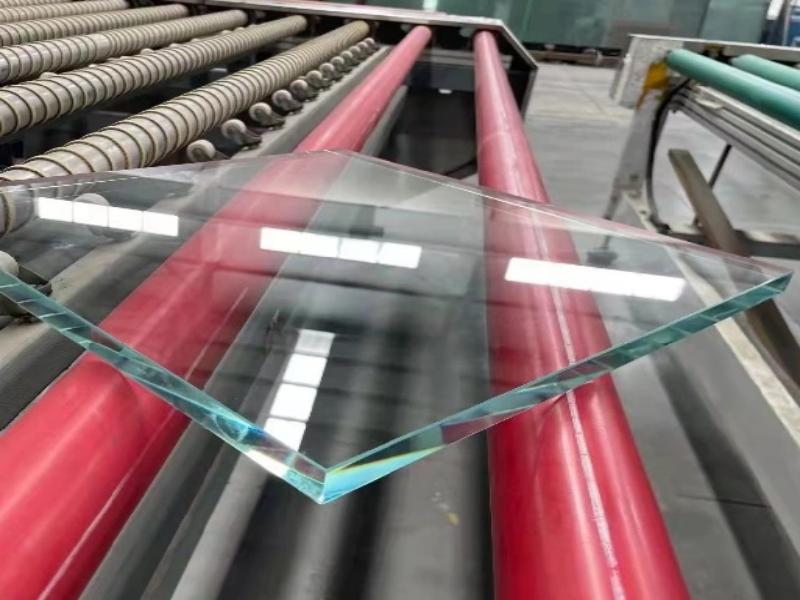
Many buyers ask, what is heat soaked glass? Heat soaked glass is a type of tempered glass that undergoes an additional testing process after the tempering stage.
During heat soaking, tempered glass panels are placed inside a controlled high-temperature chamber. This process accelerates the expansion of potential nickel sulfide inclusions that may exist inside the glass. Panels containing these defects are more likely to break during testing instead of after installation.
Although tempered glass provides excellent mechanical strength, spontaneous breakage caused by internal defects can still occur. Heat soaking helps reduce this risk and improves safety for demanding architectural applications.
For high-rise buildings, curtain walls, and public structures, heat soaked glass provides an additional layer of reliability compared with untreated tempered glass.
Heat soaked glass is commonly selected when safety, reliability, and long-term performance are critical.
Typical applications include:
High-rise building facades
Curtain wall systems
Skylights and overhead glazing
Commercial buildings
Large glass structures
Public facilities with strict safety requirements
For these applications, architects and contractors often specify heat soaked tempered glass because replacing failed glass after installation can create significant maintenance costs and safety concerns.
The exact requirements depend on project location, building regulations, glass size, and structural conditions.
The heat soak process is an additional quality control procedure performed after glass tempering.
Unlike regular tempered glass, heat soaked glass undergoes controlled heating for a specific period. This process is designed to identify panels with potential nickel sulfide inclusions before delivery.
A reliable supplier should have professional testing equipment and provide complete quality documentation, including testing records and inspection reports.
The following technical specifications are commonly considered when selecting heat soaked glass products:
| Specification | Available Options / Range | Importance for Buyers |
|---|---|---|
| Glass Type | Tempered glass, laminated glass, insulated glass | Determines safety performance, structural requirements, and application suitability |
| Glass Thickness | 4mm, 5mm, 6mm, 8mm, 10mm, 12mm, 15mm, 19mm | Affects strength, durability, and project requirements |
| Glass Size | Customized dimensions according to project requirements | Large glass panels require advanced processing equipment and strict quality control |
| Heat Soak Treatment | Controlled heating process after tempering | Helps reduce the risk of spontaneous breakage caused by nickel sulfide inclusions |
| Glass Structure | Single glass, laminated glass, insulated glass units | Provides different levels of safety, insulation, and performance |
| Edge Processing | Polished edge, flat edge, beveled edge, customized options | Improves safety and installation compatibility |
| Applications | Facades, curtain walls, skylights, windows, commercial buildings | Determines the required glass configuration and performance standards |
Selecting reliable suppliers requires evaluating production capability, testing standards, and technical support rather than focusing only on product price.
A professional supplier should have dedicated testing equipment and standardized procedures for heat soak processing.
Buyers should confirm whether suppliers can provide testing documentation and explain their quality control process.
Understanding the tempered glass heat soak test process helps buyers evaluate whether a supplier can deliver consistent and reliable products.
Experienced glass manufacturers should be able to handle different glass specifications, including various thicknesses, sizes, and customized structures. Buyers can also evaluate suppliers with related capabilities, such as heat treated glass suppliers, to ensure they have sufficient processing experience.
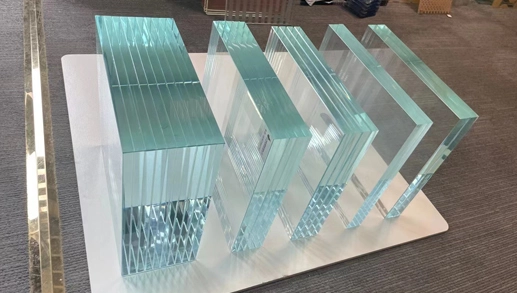
Suppliers with strong processing capabilities can provide solutions such as tempered heat soaked glass, laminated glass systems, and insulated glass units according to project requirements.
Different applications require different glass structures.
Common options include:
Heat soaked tempered glass
Heat soaked laminated glass
Heat soaked toughened glass
Heat soaked toughened laminated glass
Heat soak tempered glass
For projects requiring higher safety performance, laminated structures can provide additional protection because the interlayer helps hold glass fragments together after breakage.
Evergreen provides customized architectural glass solutions, including heat soaked laminated glass options for projects requiring enhanced safety and durability.
Regular tempered glass is strengthened through heating and rapid cooling, improving mechanical strength compared with ordinary annealed glass.
Heat soaked tempered glass uses the same tempering process but includes an additional heat soak treatment to identify potential defects.
Therefore, the main difference is not strength but reliability. Heat soaking reduces the possibility of spontaneous breakage caused by internal glass defects.
Before selecting a supplier, buyers should review:
Heat soak testing capability
Quality certificates and inspection reports
Production equipment
Previous project experience
Customization ability
Technical support capability
Reliable suppliers should be able to recommend suitable glass solutions based on project conditions instead of offering only standard products.
Working with experienced suppliers ensures better quality control, predictable delivery, and improved project safety.
Heat soaked glass and tempered glass have similar strength because they use the same tempering process. The difference is that heat soaking provides an additional screening step to reduce the risk of spontaneous breakage.
Heat soaked glass is commonly required for safety-critical applications such as high-rise facades, curtain walls, skylights, and large architectural glazing systems.
The duration depends on glass specifications and project requirements. Professional suppliers perform the test under controlled conditions and provide quality documentation after completion.
Buyers should evaluate supplier experience, testing capability, manufacturing capacity, quality documentation, and technical support before making a decision.
Choosing reliable heat soaked glass suppliers requires careful evaluation of manufacturing expertise, testing capability, product quality, and customization support.
Heat soaking provides an important safety improvement for tempered glass applications by reducing the risk of unexpected breakage. For architectural projects requiring dependable glazing solutions, working with experienced suppliers offering professional processing and quality assurance can help achieve safer and more reliable results.