
Search
In the Middle East, architecture is entering a new stage. For decades, the region has been associated with oil, deserts, luxury buildings, and large-scale urban development. Today, however, Saudi Arabia, the UAE, Qatar, and other GCC markets are also becoming major testing grounds for high-performance, energy-saving building materials.
Under Saudi Vision 2030, green cities, smart infrastructure, and low-carbon buildings are no longer optional concepts. From luxury villas and hotels to airports, government buildings, commercial towers, and future city projects, developers are looking for materials that can reduce heat transfer, lower cooling demand, and improve long-term building performance.
In this context, vacuum glass is gaining attention as one of the most promising glazing technologies for hot-climate buildings. It is not simply a premium glass product. For projects exposed to extreme solar radiation and outdoor temperatures that may approach 50°C in summer, it can become a practical solution for energy efficiency, indoor comfort, and façade performance.
Cooling is one of the largest energy loads in Middle Eastern buildings. In hot climates, windows and façades are not just decorative elements; they directly affect indoor temperature, air-conditioning load, occupant comfort, and operating costs.
Traditional single glazing performs poorly under strong solar radiation. Even standard insulating glass units can face performance limitations when buildings require thinner profiles, stronger thermal insulation, better acoustic comfort, or higher façade efficiency.
For architects, façade consultants, and developers working in Saudi Arabia, the UAE, Qatar, Kuwait, Oman, and other hot-climate markets, vacuum insulated glass is becoming more than an optional upgrade. By using a vacuum layer between glass panes, VIG helps reduce conductive heat transfer while maintaining daylight, visibility, and modern architectural aesthetics.
The core advantage of vacuum glass lies in its ultra-thin vacuum cavity. Compared with conventional glazing systems, the vacuum layer significantly reduces heat conduction between the outdoor and indoor environments. This makes the glass especially valuable for buildings where air-conditioning runs for long periods throughout the year.
In many Middle Eastern projects, standard insulated glass can improve comfort compared with single glazing, but high-performance vacuum glass can provide stronger thermal insulation where cooling demand is a major operating cost.
For project owners, this means several practical benefits:
Lower heat transfer through windows and façades
Reduced pressure on HVAC systems
Better indoor temperature stability
Improved acoustic insulation in busy urban areas
Potential support for green building certification requirements
Long-term energy savings for commercial and residential buildings
In luxury buildings and large public projects, the value of vacuum glass is not only measured by its initial cost. It should also be evaluated based on building lifecycle performance, energy consumption, indoor comfort, and the long-term operating cost of cooling systems.
Saudi Arabia’s transformation is closely connected with large-scale construction, sustainable city planning, and future-oriented infrastructure. Projects under Saudi Vision 2030 are pushing the market toward higher standards for building performance, energy efficiency, and environmental responsibility.
At the same time, initiatives such as the Saudi Green Initiative are strengthening the country’s focus on carbon reduction, energy efficiency, and sustainable development. This creates a stronger market environment for advanced building materials, including high-performance architectural glass.
For developers and contractors, this shift means that glass selection is no longer based only on appearance or price. Thermal performance, U-value, durability, acoustic comfort, and certification support are becoming increasingly important in the decision-making process.
This is why vacuum insulated glass is attracting more attention in the Middle East. It supports the demand for buildings that are visually modern, thermally efficient, and better prepared for stricter energy-saving standards.
Vacuum glass can be used in a wide range of building types across hot-climate regions. Its value is especially clear in projects where energy efficiency, façade performance, and indoor comfort are important purchasing factors.
In high-end villas and residential communities, homeowners and developers often require large windows, wide views, and bright indoor spaces. However, large glazing areas can increase heat gain if the glass system is not properly selected.
Vacuum glass helps reduce indoor heat transfer while preserving natural light. For premium residential projects, this can improve comfort and reduce long-term cooling costs without sacrificing design.
Hotels in the Middle East often operate air-conditioning systems continuously. Guest comfort, noise reduction, energy bills, and façade appearance are all important considerations.
Using high-performance glazing can help hotels create quieter, more comfortable indoor spaces while supporting better energy management. This makes VIG suitable for hotels, resorts, serviced apartments, and luxury hospitality projects.
Office buildings and commercial towers often have large curtain wall systems. In hot climates, these façades can become major sources of heat gain. Vacuum glass can help improve the thermal performance of the envelope and reduce the cooling burden on HVAC systems.
For developers pursuing LEED or other green building certifications, better-performing glass can also support broader sustainability goals. Organizations such as GBCI MENA provide certification support for green building projects across the Middle East and North Africa, making building material performance increasingly important.
Large public buildings require durable, stable, and energy-efficient materials. Airports, museums, hospitals, transport hubs, and government facilities often have strict performance requirements for safety, comfort, and long-term operation.
Vacuum glass can be considered for projects that require strong insulation, high transparency, and long service life under demanding environmental conditions.
For existing buildings, improving window performance can be one of the most direct ways to improve energy efficiency. In some retrofit projects, vacuum windows can help upgrade thermal and acoustic performance without dramatically changing the building’s appearance.
This is especially valuable for hotels, office buildings, and residential towers that want better comfort and energy savings but need to control renovation complexity.
Both traditional insulated glass and vacuum insulated glass are designed to improve building energy performance, but they use different structures and offer different advantages.
Traditional insulated glass usually uses an air or gas-filled cavity between two or more glass panes. It is widely used in residential and commercial buildings and remains a reliable choice for many standard applications.
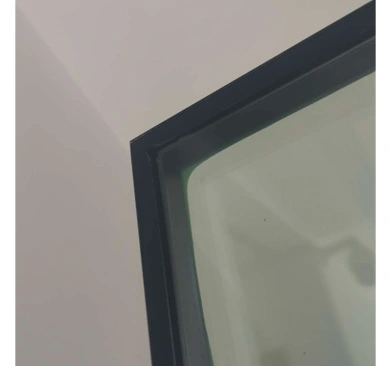
Vacuum insulated glass uses a vacuum cavity to reduce heat conduction more effectively. This allows it to achieve strong insulation performance with a relatively slim structure, making it suitable for projects where thickness, weight, performance, and appearance must be balanced.
For Middle East buildings, the choice between insulated glass and vacuum insulated glass depends on project budget, façade design, target U-value, local climate, energy-saving goals, and certification requirements.
Many buyers search for vacuum glass price or vacuum insulated glass price before starting a project. However, the cost of VIG is not determined by one single factor. It depends on the glass configuration, size, thickness, coating, performance requirements, processing method, quantity, packaging, and shipping destination.
For example, a standard residential window project may require a different specification from a large commercial façade project in Saudi Arabia or the UAE. Projects that need Low-E coating, laminated safety glass, acoustic performance, solar control, or custom sizes may also have different pricing structures.
Instead of comparing only the unit price, project buyers should consider the total value of the glazing system, including:
Thermal insulation performance
Expected energy savings
HVAC load reduction
Building comfort improvement
Service life and durability
Project customization and technical support
Packaging, logistics, and installation requirements
For large Middle East projects, it is recommended to send drawings, specifications, glass sizes, target performance data, and application scenarios to the supplier. This allows the manufacturer to provide a more accurate quotation and technical proposal.
Choosing the right vacuum glass supplier is important for project success. For Middle East buildings, the supplier should not only offer products, but also understand hot-climate applications, façade requirements, shipping needs, and technical communication with contractors or consultants.
A reliable vacuum insulated glass manufacturer should be able to provide:
Clear product specifications and performance data
Custom glass sizes and configurations
Support for Low-E, laminated, tempered, or coated glass options
Experience with architectural, residential, and commercial applications
Stable production capacity for project-based orders
Safe packaging for international shipping
Technical communication before and during the project
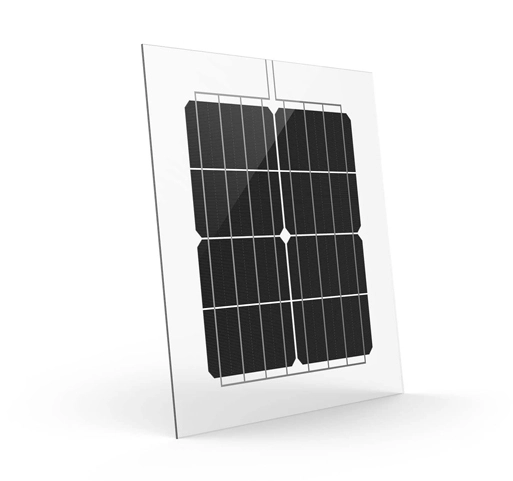
For green buildings, solar façades, and future city projects, buyers may also consider combining VIG with advanced façade solutions such as Vacuum BIPV Glass, which can support both energy efficiency and renewable energy integration in selected building applications.
As global demand for energy-saving building materials continues to grow, Evergreen Glass provides high-performance vacuum glass and architectural glass solutions for residential, commercial, and façade applications.
For Middle East developers, contractors, window manufacturers, façade consultants, and glass distributors, Evergreen Glass can support customized VIG solutions based on project requirements, including thermal insulation, acoustic performance, glass size, coating, safety configuration, and packaging for export.
Whether your project involves luxury villas, hotels, office towers, public buildings, or energy-saving façade upgrades, vacuum insulated glass can help improve building performance in hot climates while supporting long-term sustainability goals.
If you are evaluating vacuum glass for Saudi Arabia, the UAE, Qatar, Kuwait, Oman, or other GCC markets, Evergreen Glass can provide product specifications, technical support, and project-based quotation according to your application needs.
Yes. Vacuum insulated glass is suitable for hot climates because its vacuum layer helps reduce heat transfer through windows and façades. In regions such as Saudi Arabia, the UAE, and other Middle East markets, this can help reduce cooling loads, improve indoor comfort, and support energy-saving building design.
Middle East buildings often face strong solar radiation, high outdoor temperatures, and long cooling seasons. Vacuum glass helps improve the thermal performance of the building envelope, making it useful for villas, hotels, commercial buildings, airports, and public facilities that need better insulation and lower operating costs.
Vacuum insulated glass can offer stronger thermal insulation in a thinner structure compared with many traditional insulated glass units. However, the best choice depends on project requirements, budget, glass size, façade design, target U-value, and local climate conditions.
Vacuum insulated glass price is affected by glass size, thickness, coating, structure, safety requirements, order quantity, packaging, and shipping destination. For accurate pricing, buyers should provide project drawings, target performance data, and application details to the manufacturer.
Choose a vacuum glass supplier with clear technical data, stable manufacturing capacity, customization options, export packaging experience, and project communication support. For Middle East projects, it is also important to select a supplier that understands hot-climate building applications and façade performance requirements.
Saudi Green Initiative – Official information about Saudi Arabia’s sustainability goals, carbon reduction plans, and green development direction.
NEOM Official Website – Information about Saudi Arabia’s future city development, sustainable infrastructure, and smart building vision.
GBCI MENA – Green building certification and LEED-related resources for projects in the Middle East and North Africa.