
Search
PVB laminated glass improves building safety, acoustic performance, and UV protection by using a polyvinyl butyral interlayer between two or more glass panels. This interlayer helps hold glass fragments together after breakage, reduces noise transmission, and blocks a significant amount of harmful ultraviolet radiation.
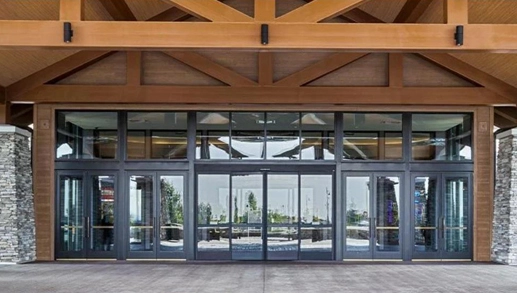
For modern architectural projects, laminated glass with PVB interlayers is widely selected for facades, curtain walls, skylights, windows, and safety glazing applications because it combines structural protection with design flexibility.
Many buyers ask, what is PVB glass? PVB glass is a type of laminated safety glass made by bonding glass layers with a polymer interlayer called polyvinyl butyral (PVB).
The polyvinyl butyral interlayer provides strong adhesion between glass panels while improving impact resistance and safety performance. When the glass breaks, the PVB layer helps keep fragments attached instead of allowing dangerous pieces to fall.
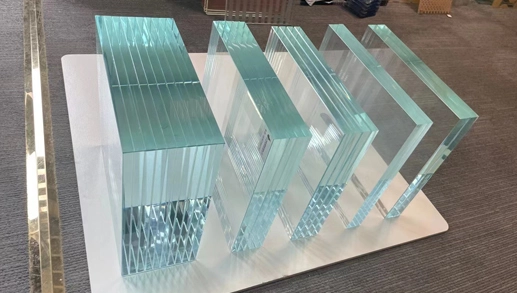
The most common structure is glass + PVB interlayer + glass, creating a durable solution for applications where safety and reliability are important.
The main advantage of PVB laminated glass is its enhanced safety performance.
Unlike ordinary glass, laminated glass remains partially intact after impact because the interlayer holds broken glass pieces together. This feature makes it suitable for areas where falling glass could create safety hazards.
Common applications include:
High-rise building facades
Curtain wall systems
Commercial buildings
Skylights and overhead glazing
Public facilities
For projects requiring higher protection levels, different glass combinations can be selected, including PVB laminated glass with tempered or heat-strengthened glass layers.
The PVB interlayer also contributes to acoustic performance by absorbing vibration between glass layers.
In buildings located near highways, airports, or busy urban areas, laminated glass can help reduce external noise and improve indoor comfort.
The acoustic performance depends on several factors, including:
Glass thickness
Number of glass layers
Interlayer thickness
Installation structure
For this reason, architects and contractors should evaluate the complete glazing system rather than only the glass itself.
Another important benefit of PVB laminated glass is ultraviolet protection.
The PVB layer helps reduce UV transmission through glass, protecting interior spaces from excessive sunlight exposure. This can help reduce fading of furniture, flooring, artwork, and other interior materials.
For commercial buildings, museums, hotels, and residential projects, UV protection is often an important consideration when selecting laminated glass solutions.
Selecting the right laminated glass requires evaluating technical specifications, application requirements, and supplier capability.
Important factors include:
| Specification Factor | Why It Matters |
|---|---|
| Glass Thickness | Determines strength, weight, and suitability for different applications |
| PVB Interlayer Thickness | Influences safety performance, sound insulation, and overall durability |
| Glass Combination | Different combinations provide different levels of impact resistance and structural performance |
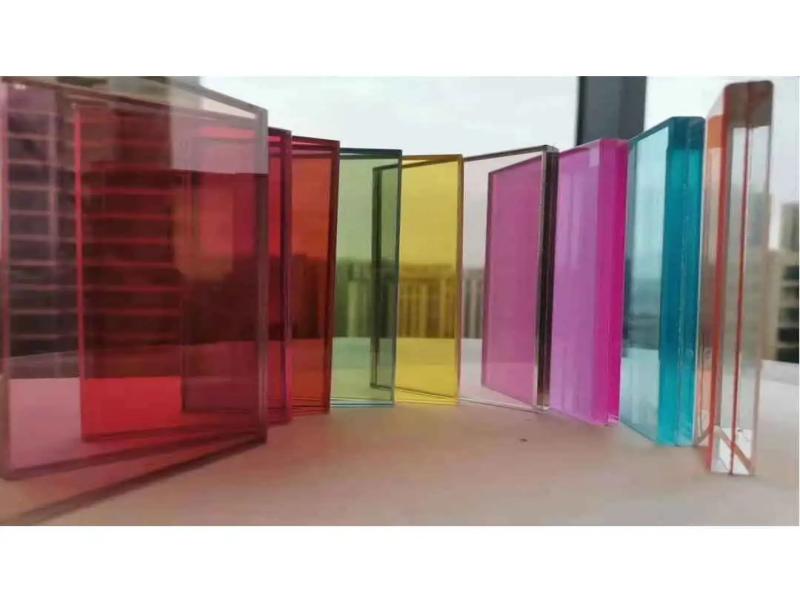
| Glass Type | Clear glass, coated glass, and specialty glass can meet different design requirements |
| Application Environment | Facades, skylights, and interior applications may require different performance standards |
When selecting products, buyers should review the pvb laminated glass specification provided by suppliers to ensure the glass structure matches project requirements.
PVB is one of the most commonly used interlayer materials for architectural laminated glass because it provides a balance between safety, performance, and cost efficiency.
Compared with other interlayer solutions, such as SGP, PVB is widely used in general architectural applications where transparency, safety, and acoustic performance are required.
For projects requiring higher structural performance, buyers may also compare solutions from an experienced sgp laminated glass company to determine the most suitable interlayer technology.
Choosing the right supplier is important because laminated glass quality depends heavily on production technology, processing control, and quality inspection.
Reliable pvb laminated glass manufacturers should provide:
Stable glass processing capabilities
Consistent interlayer bonding quality
Professional technical support
Product documentation
Customized solutions for different projects
Buyers should also consider whether suppliers can provide different laminated glass options, including standard safety glass, architectural glazing solutions, and customized products.
For customers looking for suitable solutions, comparing different laminated glass for sale options can help determine the best balance between performance, application requirements, and project budget.
Yes. PVB laminated glass provides better safety because the interlayer helps hold broken glass fragments together after impact, reducing the risk of falling glass.
With proper installation and suitable environmental conditions, PVB laminated glass can provide long-term performance for architectural applications.
Yes. The PVB interlayer can improve acoustic performance by absorbing sound vibrations between glass layers.
The pvb glass price depends on factors such as glass thickness, interlayer specifications, size, processing requirements, and order quantity.
PVB laminated glass provides a combination of safety, sound insulation, and UV protection, making it one of the most widely used solutions for modern architectural glazing.
By understanding factors such as interlayer performance, glass structure, and supplier capabilities, buyers can select the right laminated glass solution for their projects. Working with experienced manufacturers ensures better quality control, reliable performance, and long-term value.