
Search
The Middle East is entering a new era of sustainable architecture. Across Saudi Arabia, the UAE, Qatar, Kuwait, Oman, and other GCC markets, large-scale construction projects are no longer focused only on luxury design and iconic skylines. Energy efficiency, façade performance, indoor comfort, long-term operating costs, and green building standards are becoming essential requirements for modern architectural projects.
For developers, façade contractors, architects, glass distributors, and project owners, choosing the right building glass is now a strategic decision. In hot desert climates, glass must do more than provide transparency. It needs to reduce solar heat gain, improve thermal insulation, support safety requirements, withstand demanding outdoor conditions, and match the visual expectations of high-end buildings.
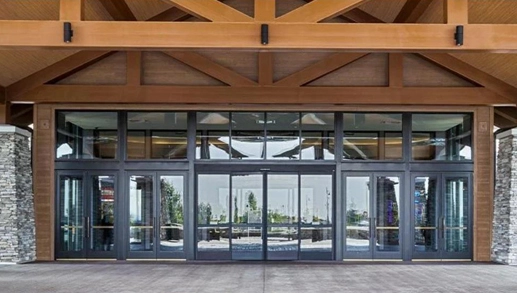
Evergreen Glass provides a complete portfolio of high-performance architectural glass solutions for Middle East projects, including Low-E glass, SGP laminated glass, vacuum insulated glass, insulated glass, and BIPV glass. These products can be used in commercial towers, hotels, airports, villas, public buildings, curtain wall façades, skylights, canopies, and energy-saving building envelopes.
Middle Eastern buildings face a unique combination of challenges: high summer temperatures, strong solar radiation, large cooling demand, sandstorms, and growing expectations for green construction. In this environment, traditional glass may increase indoor heat gain and raise air-conditioning loads, especially in buildings with large curtain wall areas.
High-performance building glass helps solve these problems by improving the energy performance and safety of the building envelope. For commercial and residential projects, better glass selection can contribute to lower cooling pressure, more stable indoor comfort, reduced glare, better acoustic performance, and stronger long-term building value.
For buyers comparing different building glass types, the key is not to select a single product for every project. Instead, the glass configuration should match the building function, façade design, target performance, budget, and local climate conditions.
Low-E glass is one of the most widely used energy-saving glass options for modern buildings. By using a special low-emissivity coating, Low-E glass helps reduce heat transfer while maintaining visible light transmission. This makes it especially valuable for Middle East buildings that require bright interiors but also need to limit solar heat gain.
For large curtain wall façades, double-silver and triple-silver Low-E glass can provide stronger solar control than ordinary clear glass. These products are suitable for commercial complexes, office towers, hotels, airports, and public buildings where thermal performance and transparent aesthetics must be balanced.
Project buyers searching for low e glass manufacturers, low e glass suppliers, or energy efficient low e glass are usually looking for a glass solution that can support both design and energy-saving requirements. Evergreen Glass can provide high-performance Low-E glass solutions for architectural applications based on project specifications.
In the Middle East, controlling solar radiation is one of the most important goals of façade design. Solar control glass can help reduce excessive heat gain and glare while allowing natural daylight to enter the building. This supports better occupant comfort and may reduce the load on air-conditioning systems.
For buildings with large windows, skylights, and curtain walls, solar control glass can be used as part of an energy-conscious façade strategy. It is especially suitable for commercial buildings, hotels, airports, shopping malls, and other spaces where daylight, cooling performance, and visual comfort are all important.
When selecting solar control glass for Middle East projects, buyers should consider visible light transmission, shading coefficient, solar heat gain, color appearance, coating type, glass thickness, and whether the glass needs to be combined with laminated or insulated glass structures.
In addition to energy efficiency, safety is a critical factor in Middle East building projects. High-rise façades, glass railings, skylights, canopies, and public facilities require glass that can maintain structural integrity under demanding use conditions.
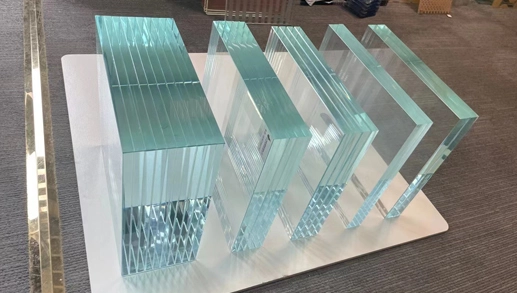
SGP laminated glass is designed for applications where higher strength, stiffness, and post-breakage performance are required. Compared with ordinary laminated glass, SGP laminated glass is often selected for projects that need stronger structural support, better durability, and higher safety performance.
For architects and contractors, SGP laminated glass is suitable for super-tall building façades, glass floors, guardrails, balustrades, skylights, canopies, and other structural glass applications. It can also be combined with Low-E glass or insulated glass structures to meet both safety and energy-saving requirements.
Buyers searching for SGP laminated glass manufacturers, SGP laminated glass company, SGP glass interlayer, or SGP glazing usually need a reliable supplier capable of producing project-based glass configurations. Evergreen Glass supports custom laminated glass solutions for architectural and façade projects.
Insulated glass is widely used in modern buildings because it improves thermal insulation and acoustic comfort compared with single glazing. It typically consists of two or more glass panes separated by a spacer and sealed air or gas cavity.
For Middle East buildings, insulated glass can be used in windows, curtain walls, hotels, residential buildings, office towers, and public facilities. When combined with Low-E coating, laminated glass, or solar control glass, insulated glass can provide a more balanced performance for energy efficiency, safety, and comfort.
For buyers comparing custom insulated glass, double pane insulated glass, insulated glass panels cost, or insulated glass suppliers, it is important to provide clear project information, including glass size, thickness, coating requirements, spacer type, application position, and target thermal performance.
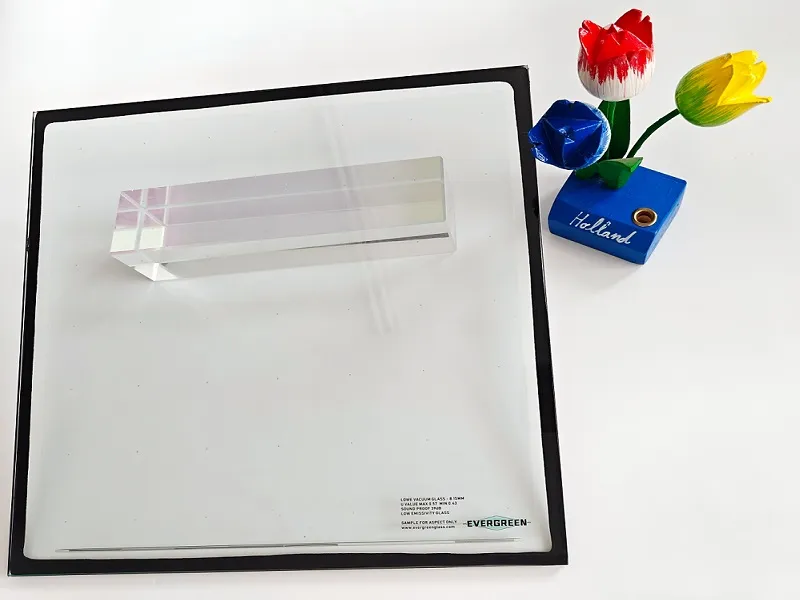
For landmark projects, high-end villas, hotels, and buildings pursuing stronger energy performance, vacuum insulated glass offers an advanced solution. Its vacuum cavity helps significantly reduce conductive heat transfer, making it valuable for hot climates where cooling demand is high.
Vacuum insulated glass can help improve the thermal performance of windows and façades while maintaining a relatively slim glass structure. This makes it suitable for both new construction and selected retrofit projects where energy efficiency, comfort, and appearance are important.
Compared with traditional glazing, vacuum glass is especially attractive for Middle East projects that require stronger insulation, better acoustic performance, and long-term energy-saving potential. It can be used in luxury residences, commercial buildings, government facilities, airports, and energy-efficient façade systems.
Many project buyers also search for vacuum glass price, vacuum insulated glass price, vacuum glass supplier, and vacuum insulated glass manufacturers. The final price depends on glass size, thickness, structure, coating, safety requirements, order quantity, packaging, and shipping destination. For accurate quotation, buyers should provide drawings, project specifications, and target performance requirements.
As Middle East projects move toward greener and smarter buildings, BIPV glass is becoming an important option for selected façades, roofs, skylights, and building-integrated solar applications. BIPV glass combines architectural glass with photovoltaic power generation, allowing the building envelope to contribute to renewable energy production.
BIPV insulated glass is suitable for projects that want to integrate solar energy generation with architectural design. It can be considered for commercial buildings, public facilities, green buildings, transportation hubs, and future-oriented developments where energy performance and visual design must work together.
For buyers researching BIPV glass, BIPV façade, BIPV glazing, or BIPV façade system, key selection factors include transparency level, power generation requirement, glass structure, installation method, façade design, and local project standards.
For high-rise commercial towers, Evergreen Glass recommends combining Low-E insulated glass with laminated or SGP laminated structures. This helps balance solar control, thermal insulation, safety, acoustic comfort, and curtain wall appearance.
For hotels, resorts, and premium residential projects, vacuum insulated glass, Low-E insulated glass, and laminated safety glass can help create comfortable indoor environments while supporting long-term cooling cost control.
Airports, transport hubs, museums, hospitals, and government facilities often require large glass areas, high safety standards, and stable long-term performance. SGP laminated glass, insulated glass, and solar control glass are suitable options for these demanding applications.
For skylights, canopies, glass balustrades, and overhead glass, laminated glass and SGP laminated glass are recommended because safety and post-breakage performance are especially important in these areas.
For projects focused on energy efficiency, carbon reduction, and future building performance, vacuum insulated glass and BIPV glass can provide higher-value solutions. These products are suitable for buildings that want to improve envelope performance and explore renewable energy integration.
Choosing the right supplier is just as important as choosing the right glass type. Middle East projects often require customized specifications, international shipping, careful packaging, technical communication, and stable production capacity.
A reliable building glass supplier should be able to provide:
Clear product specifications and performance data
Customized glass size, thickness, coating, and structure
Low-E, insulated, laminated, SGP, vacuum, and BIPV glass options
Support for architectural, façade, residential, and commercial applications
Safe packaging for international project delivery
Technical support during product selection and quotation
Stable manufacturing capability for project-based orders
Evergreen Glass supports global customers with customized architectural glass solutions for hot-climate buildings, green façades, commercial projects, and high-end construction applications.
The future of Middle East architecture requires materials that are beautiful, durable, safe, and energy efficient. From Low-E glass for large curtain walls to SGP laminated glass for structural safety, from insulated glass for comfort to vacuum insulated glass for advanced thermal performance, and from BIPV glass for solar integration to custom building glass solutions, Evergreen Glass provides a complete product portfolio for modern construction projects.
For contractors, developers, façade consultants, glass distributors, and project owners working in Saudi Arabia, the UAE, Qatar, Kuwait, Oman, and other Middle East markets, Evergreen Glass can provide customized solutions based on your project drawings, technical requirements, glass specifications, and application scenarios.
If you are planning a green building, luxury villa, hotel, airport, commercial tower, public facility, or landmark façade project, contact Evergreen Glass to discuss the most suitable glass configuration for your project.
The best glass depends on the project type and performance target. For hot-climate buildings, Low-E insulated glass, solar control glass, SGP laminated glass, vacuum insulated glass, and BIPV glass are commonly considered. These products can help improve thermal insulation, safety, solar control, acoustic comfort, and façade performance.
Low-E glass helps reduce heat transfer through windows and façades while allowing visible light to enter the building. In hot climates such as the Middle East, this can help reduce cooling pressure, improve indoor comfort, and support energy-efficient building design.
SGP laminated glass is often used in high-rise façades, skylights, canopies, glass floors, balustrades, guardrails, and structural glass areas. It is suitable for projects that require higher strength, better durability, and stronger post-breakage safety performance.
Yes. Vacuum insulated glass is suitable for Middle East projects because it helps reduce heat transfer and improve thermal insulation. It is especially useful for luxury villas, hotels, commercial buildings, government facilities, and energy-saving façade systems.
Architectural glass price is affected by glass type, size, thickness, coating, laminated structure, insulated structure, safety requirements, order quantity, processing method, packaging, and shipping destination. For accurate pricing, buyers should provide drawings, specifications, and application details.
Choose a supplier with strong customization ability, stable production capacity, clear technical data, export packaging experience, and experience with architectural glass applications. For Middle East projects, the supplier should also understand hot-climate requirements, façade performance, and project-based communication.